Intimate skin operates under conditions different from those of the rest of the body. What gets tolerated on an arm or a hand can trigger a significant reaction in intimate areas.
What Makes Intimate Skin Uniquely Vulnerable
The skin in intimate areas is thinner, more permeable, and more vascular than the skin elsewhere on the body. It absorbs what it contacts more readily, which means allergens and irritants enter the local environment more completely. The mucous membranes of the vagina and vulva have essentially no barrier function at all. An ingredient that is borderline irritating elsewhere becomes genuinely problematic here.
Common Allergens Hidden In Conventional Lubricants
Parabens, propylene glycol, synthetic fragrances, nonoxynol-9, and petroleum-derived ingredients are commonly found in conventional intimate products and are among the most common causes of intimate skin reactions. Synthetic fragrances alone can represent dozens of undisclosed chemical compounds. None of these belong in a hypoallergenic personal lubricant designed for the body's most sensitive skin.
The Difference Between Irritation And A True Allergic Reaction
Irritation is a localized response to a substance that disrupts the skin's barrier or microbiome, such as burning, redness, or dryness that resolves after the substance is removed. A true allergic reaction involves the immune system and can produce swelling, hives, or symptoms that extend beyond the site of contact. Both matter, but understanding which is occurring guides the response. Either way, the ingredient causing it should be identified and removed from the routine.
What Hypoallergenic Actually Means On A Lube Label
The term hypoallergenic is widely used in personal care. What it means in practice depends entirely on the formula behind it.
The Regulation Gap Around The Term
Hypoallergenic is not a regulated claim in most markets. Any brand can use it on any product, regardless of its formula. This makes the term a starting filter rather than a guarantee. A product labeled hypoallergenic still requires ingredient-level scrutiny to determine whether the claim is substantiated or purely cosmetic.
What Ingredients Does A Genuinely Hypoallergenic Formula Avoid
A hypoallergenic lube that earns the designation avoids parabens, phthalates, synthetic fragrances, artificial dyes, glycols, nonoxynol-9, and petroleum derivatives. An organic lubricant gel built on certified botanical ingredients tends to meet that standard more reliably than conventional formulas that simply omit one or two common allergens. It uses preservatives with documented skin compatibility rather than cheap synthetic alternatives. It sources botanical ingredients from certified organic suppliers, where possible, and keeps the ingredient list short enough so that every item can be evaluated individually.
How To Verify The Claim Beyond The Label
The ingredient list is the only reliable verification tool. A formula with ten or fewer recognizable, food-compatible, or certified organic ingredients makes a different kind of hypoallergenic claim than one with twenty ingredients, half of which are synthetic compounds listed by chemical names. Reading the list in full rather than trusting the front-of-label claim is the only way to know what you are actually applying to intimate skin. Browsing options curated as the best natural lube for sex can simplify that evaluation process, since those collections are typically filtered by ingredient standard rather than marketing language.
The Morgasm Formulas: Hypoallergenic By Ingredient Standard
Both Morgasm formulas are hypoallergenic by formulation rather than by label choice. The designation reflects what is in the tube, not what is printed on it.
What Both Formulas Contain And Leave Out
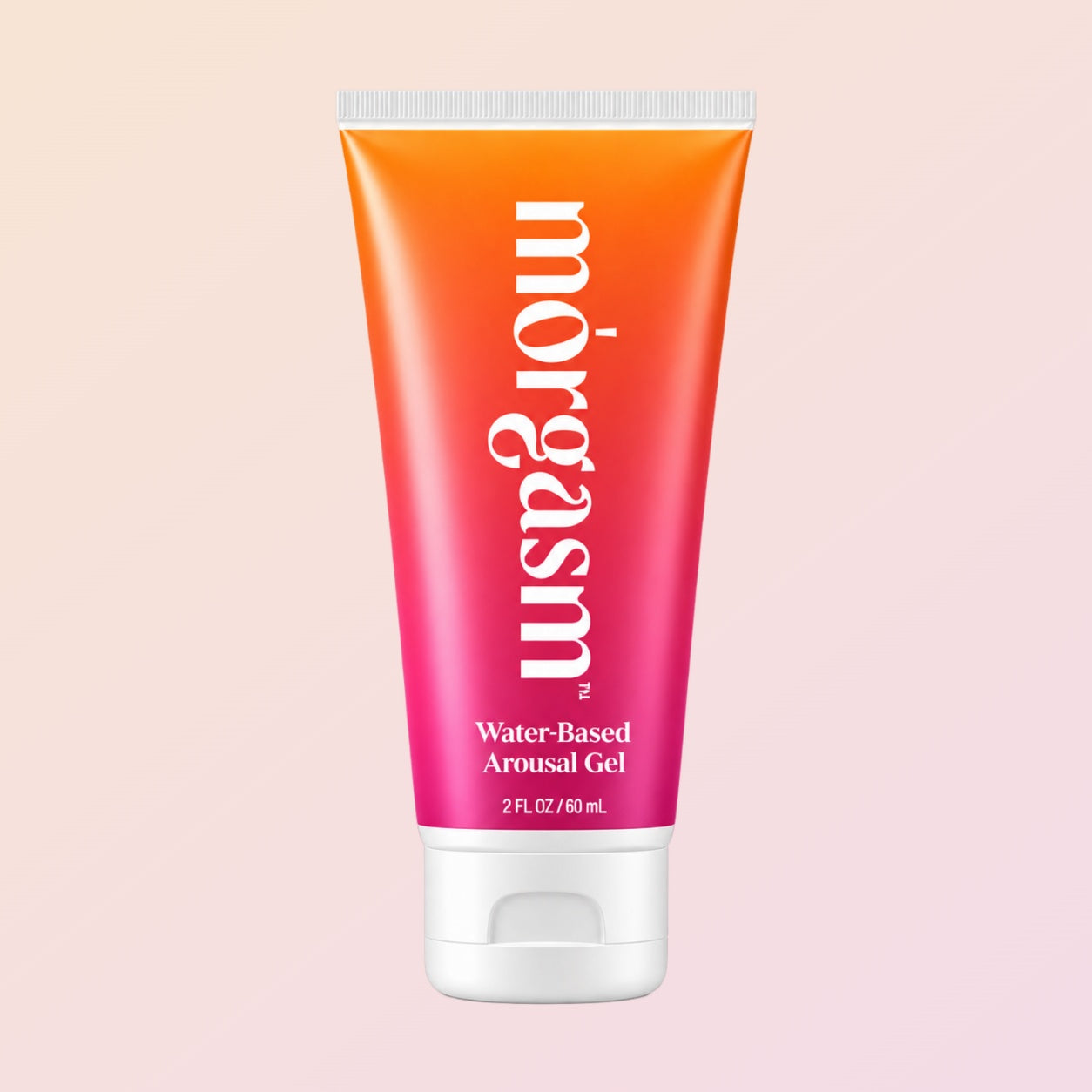
The Morgasm Original Arousal Gel is built on Type II deionized water, pure-grade L-Arginine, Organic Kosher Vegetable Glycerin, Organic Aloe Vera, Vanilla Flavoring, Mentha Piperita and Mentha Arvensis, Gluconolactone, Tocopheryl Acetate (Vitamin E), Hydroxyethylcellulose, Sodium Hyaluronate (Hyaluronic Acid), Sodium Benzoate, and Xanthan Gum.
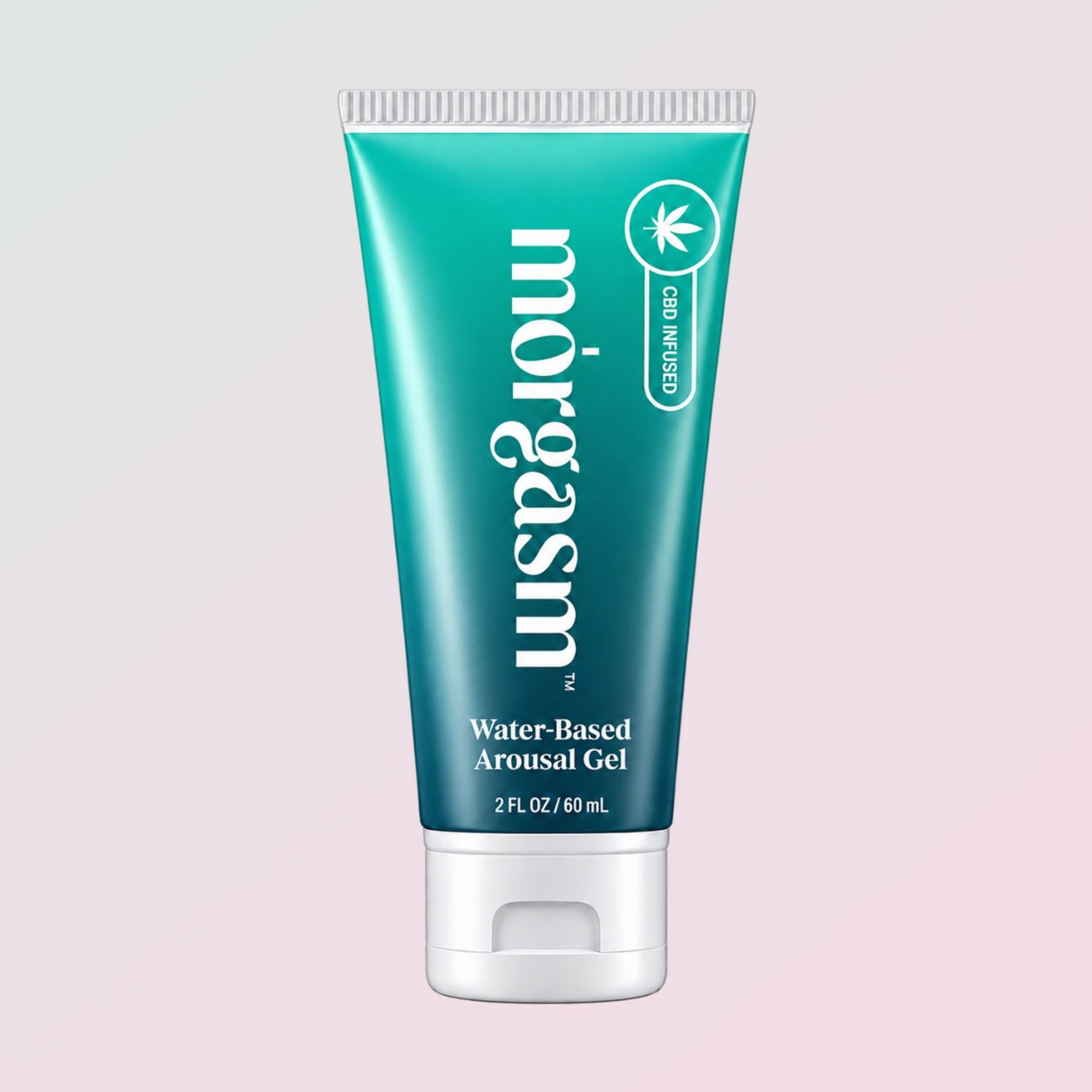
The Morgasm CBD-Infused Arousal Gel shares the same foundation with 250mg of organic Full-Spectrum CBD added. Both are free from parabens, silicone, phthalates, synthetic fragrances, and artificial additives. Because both formulas are fully water-based, they also qualify as a water based lube safe for toys, making them a practical choice for anyone who wants a single formula that covers sensitive skin and material compatibility at the same time. Third-party tested, THC confirmed as not detected in the CBD formula.
Organic Sourcing As An Allergy Risk Reducer
Certified organic ingredients are processed without synthetic pesticides, herbicides, or chemical processing agents. For people with sensitive immune responses, this sourcing distinction reduces the risk of reaction from residual processing compounds that conventional ingredient sourcing does not eliminate. Organic Kosher Vegetable Glycerin and Organic Aloe Vera in our formulas reflect this standard applied specifically to intimate skin contact.
pH Balance And Osmolality As Skin Compatibility Markers
A formula calibrated to pH 3.83 sits within the vaginal environment's natural acidic range. An osmolality of 474 mOsm/kg is among the lowest of any arousal gel on the market, meaning the formula does not draw moisture from vaginal tissue. Both numbers reflect a formula designed to work with the body's chemistry rather than challenge it, which is the physiological definition of a sensitive skin lubricant done right.
Sensitive Skin And Intimate Use: Practical Guidance
Knowing a formula is hypoallergenic is the starting point. Using it correctly for sensitive skin provides an additional layer of protection.
Patch Testing Before Full Use
Apply a small amount to the inner forearm or inner thigh and wait 24 hours before intimate use. This step is especially worthwhile when trying a CBD vaginal lube for the first time, since the addition of CBD to an already clean formula is still worth confirming against your individual skin response. This step takes minimal effort and identifies reactivity before a reaction occurs in intimate areas where it is both more uncomfortable and more difficult to treat. For anyone with a history of product reactions, it is worth making a consistent habit.
Ingredients To Avoid For Sensitive Intimate Skin
Beyond the common allergens already covered, people with sensitive intimate skin should avoid benzocaine and lidocaine in lubricants, as these numbing agents can cause contact dermatitis in a significant proportion of users. Glycerin at high concentrations, particularly from unspecified sources, is another trigger to watch for on the ingredient list of any allergy-friendly lubricant.
When Reactions Warrant A Healthcare Conversation
A reaction that does not resolve within 48 hours of discontinuing the product, symptoms that include swelling extending beyond the application site, or recurring reactions despite switching to a cleaner formula are all reasons to speak with a healthcare provider. Some reactions indicate an underlying sensitivity or condition that product choice alone will not resolve. If you have already ruled out common allergens and are still experiencing reactions, switching to a third-party tested CBD lube with published osmolality and pH data can help isolate whether formula chemistry rather than specific ingredients is the contributing factor.
Five Things Worth Checking Before You Buy
- The Full Ingredient List: Every ingredient is named specifically. No proprietary blends, no "fragrance" without disclosure, no unspecified glycerin sources.
- The Absence Of Common Intimate Allergens: Parabens, phthalates, synthetic fragrances, glycols, and nonoxynol-9 should all be absent from any formula claiming hypoallergenic status.
- pH & Osmolality Data: A brand that publishes these numbers has tested for skin compatibility beyond the ingredient level. One that has not demonstrated the same standard.
- Organic Ingredient Sourcing: Certified organic botanicals reduce the risk of residual processing compounds for reactive skin. Look for specific organic designations on the ingredient list rather than a general organic claim on the front label.
- Third-Party Testing Where Applicable: For any CBD-containing formula, a Certificate of Analysis confirms ingredient accuracy and documents what the formula does and does not contain.
Disclaimer: Statements about the effects of our products have not been evaluated by the Food and Drug Administration, and our products are not intended to diagnose, treat, cure, or prevent any disease.