Calling a lubricant edible is easy. Building one that genuinely earns the label takes a different level of care and intentionality. A truly edible lubricant contains no ingredient that would not be appropriate if ingested in small amounts. That standard rules out synthetic preservatives, artificial flavoring compounds, petroleum derivatives, and most glycol-based humectants. Every item on the ingredient list should have a documented history of food compatibility, not just a passing grade for topical use.
The Base Has To Be Water-Based
Oil- and silicone-based products are not appropriate for oral use. Oil sits on the tissue rather than being absorbed, creating a residue that is difficult to remove from the mouth. Silicone compounds are not food-grade. A genuinely edible lubricant is water-based, with purified water as the primary ingredient and plant-derived compounds building the formula around it.
pH Calibration Protects The Mouth And Intimate Parts
A formula designed for both oral and intimate use needs a pH appropriate to both environments. Calibrating to the vaginal range of 3.8 to 4.5 also falls within a comfortable, non-irritating range for oral contact. This alignment is not coincidental. It reflects a formulation that considers the whole body, not just one application site.
Flavor Must Come From Real Sources
A genuine flavoring ingredient, not a synthetic flavoring agent, is what separates an edible formula from one that tastes chemical or artificially sweet. Real vanilla flavoring produces a mild, pleasant taste that reflects the quality of the formula. Artificial alternatives mask rather than contribute, which signals how the rest of the formula was assembled.
What Conventional Lubricants Put In Your Mouth
Most lubricants were not designed for oral use. That gap shows up on the ingredient list for anyone who looks.
- Propylene Glycol: A synthetic humectant used to maintain moisture and texture. Widely present in conventional lubes and associated with digestive discomfort when ingested. Not a food-grade ingredient.
- Parabens: Synthetic preservatives used to extend shelf life. Endocrine-disrupting compounds that have no place in a formula that comes into contact with oral mucosa or intimate tissue.
- Synthetic Fragrances: Fragrance compounds on a lube label can represent dozens of undisclosed chemicals. When a product ends up in the mouth during oral intimacy, those compounds go with it. No disclosure required.
- Artificial Flavoring Agents: Many flavored lubes use synthetic flavor compounds to achieve a specific taste. These are not food-grade ingredients and often mask a chemical base taste rather than contribute a genuine flavor.
- Glycerin From Unspecified Sources: Not all glycerin is created equal. Glycerin derived from animal sources or processed with synthetic compounds is a very different ingredient from Organic Kosher Vegetable Glycerin. The label often does not make the distinction.
The Ingredients That Make A Lubricant Safe To Taste
A food-grade lubricant natural formula is built on ingredients with documented oral safety and a clear functional purpose. Plant-derived, food-grade, and widely used in consumable products. It acts as a humectant, drawing moisture into the skin, and contributes to the formula's smooth, silky texture. Its food compatibility is documented and consistent, making it one of the most appropriate base ingredients in an edible intimate formula.
Organic Aloe Vera
Aloe Vera has a long history of both topical and internal use. In an edible personal lubricant natural formula, it hydrates intimate tissue, reduces friction-related discomfort, and remains entirely appropriate for oral contact. Its certification as organic adds an additional layer of sourcing accountability.
Vanilla Flavoring
Genuine Vanilla Flavoring rather than an artificial vanilla compound delivers a mild, clean taste that reflects the formula's quality. The difference between the two is detectable on the palate and on the ingredient list. A formula using real flavoring has made a specific sourcing choice that cheaper alternatives avoid.
Xanthan Gum And Natural Preservatives
Xanthan Gum is a plant-derived thickener used extensively in the food industry. Sodium Benzoate is a natural preservative also used in food products. Both are food-compatible, functional, and appropriate in an intimate formula designed for oral contact. Neither relies on synthetic processing to achieve its purpose.
The Formulas That Are Edible By Design, Not By Exception
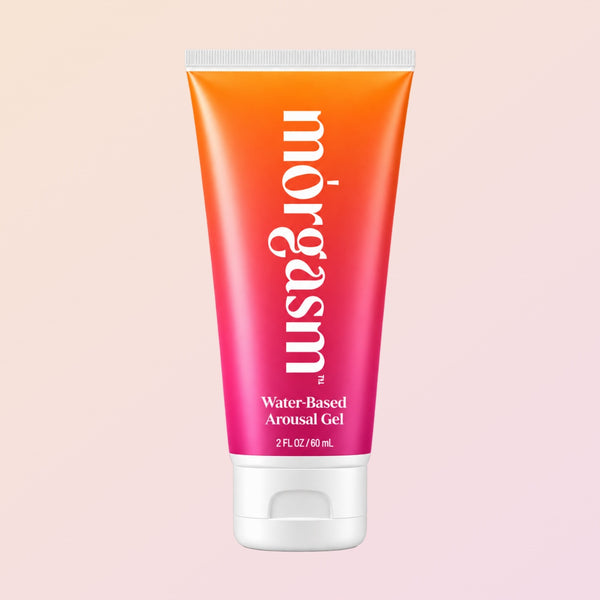
Two formulas. Both explicitly edible. Both were built on the same commitment to ingredient quality that has defined Morgasm since 2008. The Morgasm Original Arousal Gel is 100% water-based, explicitly edible, and carries a subtle vanilla flavor from genuine Vanilla Flavoring. Built on pure-grade L-Arginine, Organic Aloe Vera, Organic Kosher Vegetable Glycerin, Hyaluronic Acid, Vitamin E, and Mentha Piperita and Mentha Arvensis. Free from parabens, silicone, and artificial additives. As a clean, edible, natural lube trusted by over 23,000 customers since 2008, every ingredient is there for a reason.
Morgasm CBD-Infused Arousal Gel: Organic, Edible, And Full-Spectrum
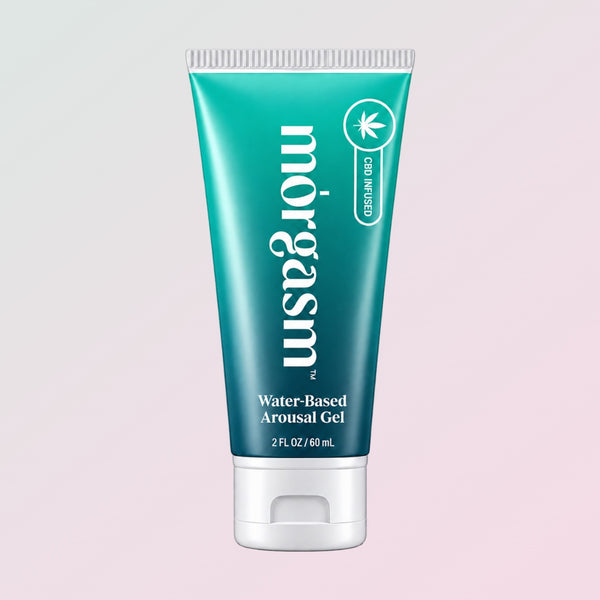
The Morgasm CBD-Infused Arousal Gel shares the same edible, water-based foundation and adds 250mg of organic Full-Spectrum CBD. The subtle vanilla flavor carries through, and the formula remains fully appropriate for oral contact. Third-party tested with THC confirmed as not detected. A natural edible lube with CBD that is verified rather than simply claimed.
The Shared Edibility Standard
Both formulas are pH-balanced to 3.83, hypoallergenic, non-staining, and made in the USA by a woman-owned brand. Both are backed by a 30-day money-back guarantee. Edibility is not a feature added to either formula. It is a consequence of using only ingredients that meet that standard from the start.
How To Spot An Edible Lubricant That Actually Earns The Label
The edible claim appears on many labels. These are the checks that separate genuine formulas from those that borrow the word:
The Ingredient List Is The Only Honest Source
Front-of-label claims are marketing. The ingredient list is where the formula's actual character lives. Every ingredient should be recognizable, food-compatible, and present for a clear functional reason. If the list includes synthetic preservatives, artificial flavoring agents, or unspecified glycols, the edibility claim is selective at best. If you are still narrowing down which formula is right for you, our guide to the Best Natural Lube for Sex covers the full range of options.
Flavor Quality Reveals Formulation Philosophy
Tasting a lube tells you something the label cannot fully communicate. A synthetic chemical aftertaste or an overwhelmingly artificial sweetness signals ingredient choices that compromise the formula's quality. A mild, pleasant, genuine flavor is the sensory confirmation that the ingredients behind it were carefully selected.
Water Based Is A Non-Negotiable
Oil and silicone-based formulas are not appropriate for oral contact, regardless of how they are labeled. Confirming that a lube is water-based before evaluating anything else removes a significant portion of misleading edibility claims from the conversation. For a full breakdown of how the three base types compare, our guide to water based lube vs silicone vs oil covers each in detail.
Third-Party Verification Where It Applies
For any formula containing CBD, third-party lab testing is the minimum standard of accountability. For clean botanical formulas more broadly, a brand that invites ingredient scrutiny rather than avoiding it is communicating something meaningful about the confidence it has in what it has made.
Disclaimer: Statements about the effects of our products have not been evaluated by the Food and Drug Administration, and our products are not intended to diagnose, treat, cure, or prevent any disease.