Pregnancy amplifies the body's response to everything it comes into contact with. Lubricants that might cause mild irritation can, during pregnancy, trigger a more significant response for reasons rooted in physiology.
How Hormonal Changes Affect Vaginal Moisture
Estrogen and progesterone fluctuations throughout pregnancy affect natural vaginal lubrication inconsistently. Some women experience increased discharge while others experience dryness, particularly in the first and third trimesters. A clean water-based lubricant addresses that dryness without introducing ingredients that interact with an already hormonally active system. For women who want to start with a vetted option, shopping for an organic lubricant gel helps narrow the field to formulas built on certified botanical ingredients rather than synthetic alternatives.
Why Intimate Skin Is Even More Sensitive When Pregnant
Increased blood flow to pelvic tissue during pregnancy heightens both sensitivity and absorptive capacity in intimate areas. This means ingredients applied topically reach the local environment more readily, and any irritant or allergen produces a stronger response than it might outside of pregnancy. The case for a genuinely clean formula is stronger here than at almost any other time.
What Conventional Lubricants Contain That Pregnant Women Should Avoid
Parabens, propylene glycol, glycerin from unspecified sources, synthetic fragrances, and nonoxynol-9 are all present in widely available conventional lubricants. During pregnancy, concerns about these ingredients are not hypothetical. Parabens are endocrine disruptors. Synthetic fragrances represent undisclosed chemical compounds absorbed through highly permeable tissue. A pregnancy-friendly lubricant standard means none of these should be included in the formula.
The Morgasm Original Arousal Gel: A Clean Option Worth Knowing
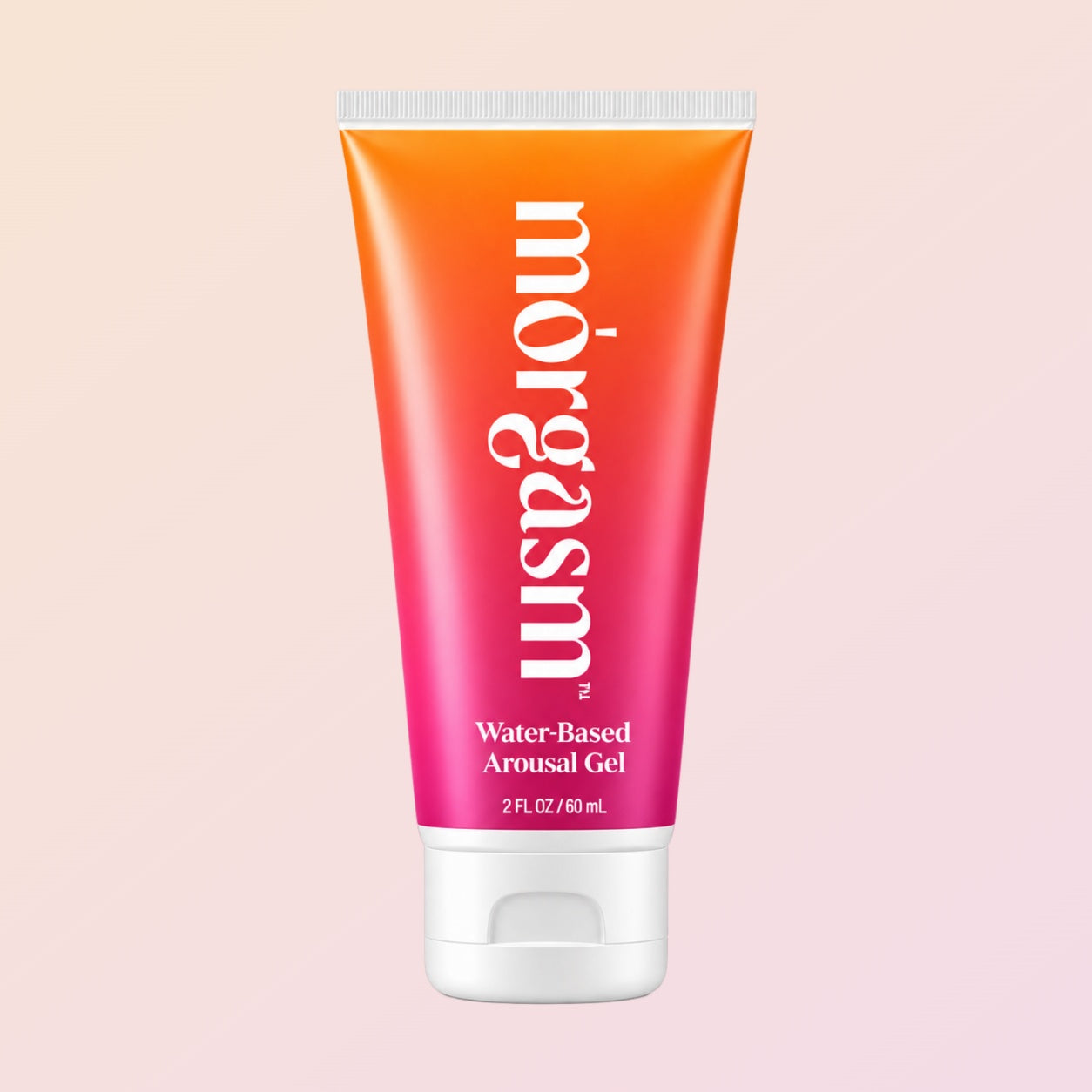
For pregnant women seeking a pregnancy-safe personal lubricant formulated with verified, clean ingredients, the Morgasm Original Arousal Gel meets the standards pregnancy demands.
What The Formula Contains And What It Leaves Out
The Morgasm Original Arousal Gel is built on Type II deionized water, pure-grade L-Arginine, Organic Kosher Vegetable Glycerin, Organic Aloe Vera, Vanilla Flavoring, Mentha Piperita and Mentha Arvensis, Gluconolactone, Tocopheryl Acetate (Vitamin E), Hydroxyethylcellulose, Sodium Hyaluronate (Hyaluronic Acid), Sodium Benzoate, and Xanthan Gum. Free from parabens, silicone, phthalates, synthetic fragrances, and artificial additives. Edible, hypoallergenic, and non-staining.
pH Balance And Osmolality During Pregnancy
The vaginal environment's pH range of 3.8 to 4.5 remains relevant during pregnancy, and maintaining this pH range reduces the risk of bacterial vaginosis, which is more common during pregnancy and carries its own complications. Our formula is calibrated to pH 3.83 with an osmolality of 474 mOsm/kg, one of the lowest of any arousal gel on the market. These numbers reflect a formula that supports rather than disrupts vaginal chemistry.
Water-Based, Hypoallergenic, And Ingredient-Transparent
The formula is 100% water-based, compatible with condoms and all toy materials, and backed by a fully public ingredient list. For couples who use intimate accessories, choosing a water based lube safe for toys ensures that the same clean formula works across every part of the routine without material compatibility concerns.
Transparency is the baseline standard for any product used during pregnancy. A brand that publishes pH, osmolality, and every ingredient by name is communicating accountability that vague "natural" claims do not. Filtering your search to the best natural lube for sex makes it easier to compare options that meet that accountability standard without having to evaluate each product from scratch.
Ingredients To Actively Avoid During Pregnancy
Concerns about ingredients during pregnancy are not unique to lubricants, but the delivery method makes them more significant. Topical application to the intimate tissue is a direct route into the body's environment.
Parabens And Endocrine Disruption
Parabens are synthetic preservatives that mimic estrogen in the body. During pregnancy, when hormonal balance is already in active flux, introducing additional endocrine-disrupting compounds through regularly applied intimate products is a risk without any corresponding benefit. A clean formula uses naturally derived preservatives, such as Gluconolactone and Sodium Benzoate, instead.
Glycols, Synthetic Fragrances, And Nonoxynol-9
Propylene glycol is a glycol-based humectant associated with irritation and microbiome disruption in intimate tissue. Synthetic fragrances represent undisclosed chemical compounds, sometimes dozens, absorbed through permeable intimate skin. Nonoxynol-9 is a spermicidal compound that damages vaginal tissue with repeated use. All three are common in conventional lubricants, and none belong in a safe lube during pregnancy formula.
Why "Natural" On The Label Is Not Enough
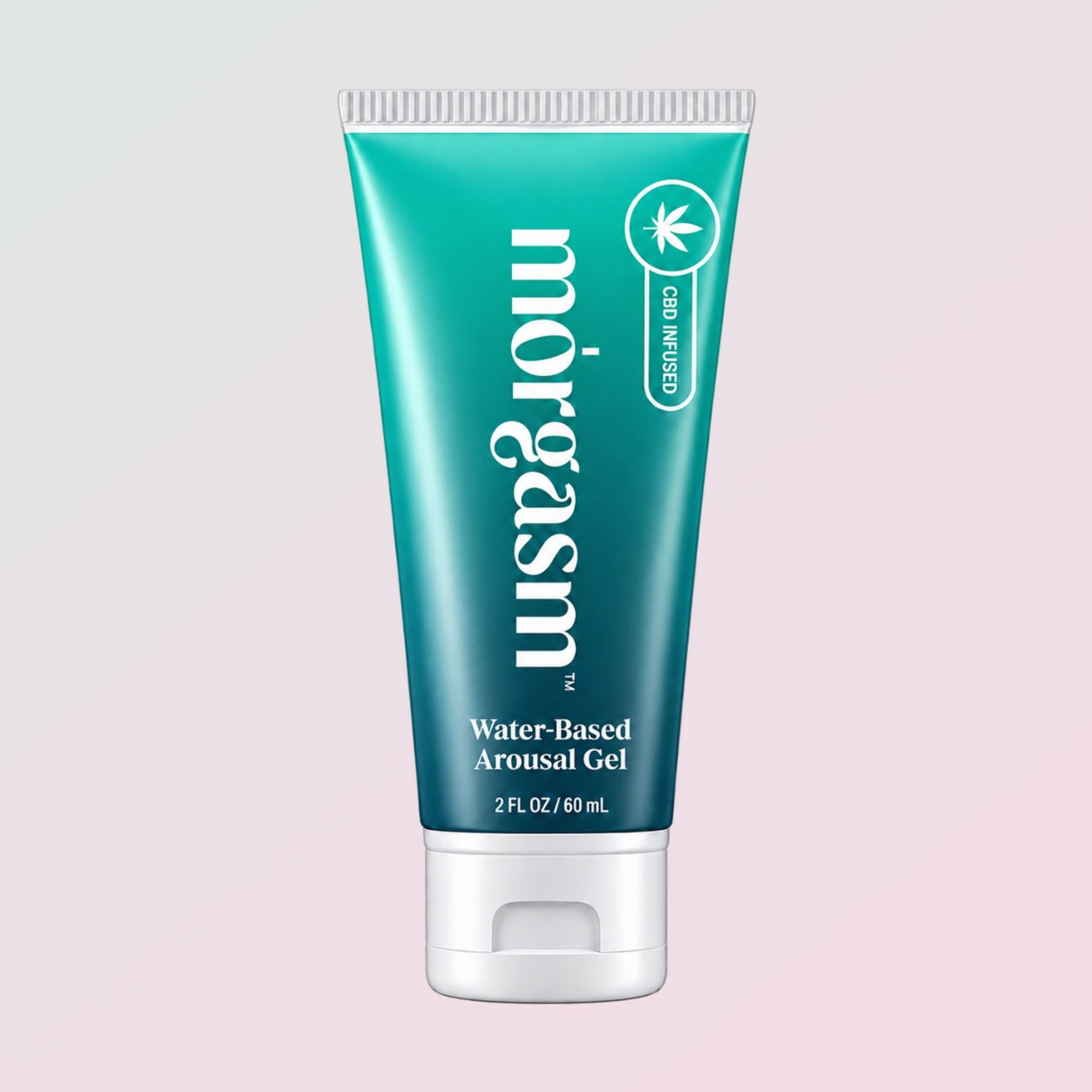
Natural is an unregulated term. A product labeled natural can contain any of the above ingredients without contradiction. The same scrutiny applies when evaluating a CBD vaginal lube; the presence of CBD does not automatically mean the rest of the formula meets a clean or pregnancy-conscious ingredient standard. During pregnancy, the only reliable standard is a full, specific ingredient list with no synthetic compounds, verified organic sourcing where applicable, and published formulation data. Front-of-label claims without ingredient transparency should not be trusted at any stage of life, and especially not during pregnancy.
Sex During Pregnancy: What Is Safe And What Changes
Sex during a normal, uncomplicated pregnancy is safe for most women throughout all three trimesters. Understanding what changes helps both partners approach intimacy with confidence.
When Sex Is Appropriate During A Normal Pregnancy
For women with uncomplicated pregnancies, sex is generally safe until labor begins. Healthcare providers typically advise avoiding sex only when there is a history of preterm labor, placenta previa, unexplained bleeding, or ruptured membranes. Outside of those circumstances, intimacy during pregnancy is not a risk and, for many couples, remains an important part of the relationship.
Positions, Comfort, And What Lube Addresses
Physical comfort during sex changes significantly across trimesters. Positions that reduce pressure on the abdomen become increasingly important from the second trimester onward. Dryness and increased vaginal sensitivity make lubricant more useful than it may have been pre-pregnancy. A water-based formula that hydrates, reduces friction, and supports tissue comfort addresses the most common physical barriers to comfortable intimacy during pregnancy.
When To Ask A Healthcare Provider First
Any woman with pregnancy complications, a history of preterm labor, cervical incompetence, or any condition her provider has flagged should consult before resuming or continuing sexual activity. This consultation is especially relevant before introducing any CBD lube into the routine during pregnancy, since CBD has not been evaluated for use in this context and provider guidance is the appropriate starting point. The same applies to any new product applied intimately during pregnancy. A clean, transparent ingredient list makes that conversation easier and more informed.
The Non-Negotiables When Choosing Lube During Pregnancy
- Water-Based Formula: The only base type appropriate for vaginal use during pregnancy. Oil- and silicone-based products pose compatibility and hygiene risks that are unacceptable at any stage of life.
- No Parabens Or Synthetic Preservatives: Endocrine-disrupting preservatives have no place in a formula applied to highly absorptive intimate tissue during pregnancy.
- No Synthetic Fragrances: Fragrance on an ingredient list represents undisclosed compounds. A pregnancy-approved lubricant uses genuine flavoring from named ingredients only.
- Certified Organic Botanicals: Organic sourcing reduces exposure to processing compounds for a body already managing significant hormonal and physiological load.
- Published pH & Osmolality: A formula that shares these numbers has been tested for compatibility beyond the ingredient level, the standard pregnancy warrants.
- Full Ingredient Transparency: Every ingredient listed by name. No proprietary blends, no unspecified glycerin sources, no hidden compounds behind generic terms.
Disclaimer: Statements about the effects of our products have not been evaluated by the Food and Drug Administration, and our products are not intended to diagnose, treat, cure, or prevent any disease.