


Key Takeaways:
- Yes, Every Lubricant Has An Expiry Date: Preservatives break down over time, reducing effectiveness and increasing the risk of irritation on intimate skin.
- Storage Determines How Long A Formula Stays Fresh: Heat, light, and an open cap all accelerate degradation, well before the printed date.
- Trust Your Senses As Much As The Label: Changes in texture, smell, or consistency are reliable signals that a formula has turned regardless of date.
Yes, lube expires. Every formula has a shelf life, and using one past its expiration date carries real risks for intimate skin that most people do not think about until something goes wrong.
At Morgasm, we formulate our products with natural preservatives and clear labeling because we know that what goes on intimate skin matters at every stage of the product's life. As a woman-owned brand trusted by over 23,000 customers since 2008, transparency is part of how we build trust.
This article covers what expiration means, what changes after the date passes, and how to store your lube to get the most from every tube. If you are currently shopping for a replacement, exploring the best natural lube for sex can help you find a formula made with cleaner ingredients that support intimate skin long-term.

The Short Answer: Yes, Lube Does Expire
Does lubricant expire? Absolutely. Understanding why helps you take the question more seriously than the fine print on the packaging usually does.
Why Every Lubricant Has A Shelf Life
Preservatives in a lubricant formula prevent bacterial and fungal growth during storage and use. Over time, those preservatives break down, reducing their effectiveness. Once they degrade sufficiently, the formula becomes a less hostile environment for microbial growth. On intimate skin, which is highly absorbent and sensitive, that shift carries real consequences.
What An Expiry Date Actually Means
The expiration date on a lubricant indicates when the manufacturer can no longer guarantee that the formula will perform as intended and remain safe for use. It is not a conservative estimate or a marketing device. The date is based on stability testing that tracks how preservatives, active ingredients, and pH balance hold up over time.
How To Find The Expiration Date On Your Lube
Most lubricants print the expiration date on the base of the tube or on the outer packaging. Look for a date formatted as MM/YYYY or a period-after-opening symbol, which indicates how many months the product is safe to use after first opening. Both matter. A tube opened two years ago may have expired even if the printed date has not yet passed.
What Happens To Lube After It Expires
Expired lube does not simply become less effective. It becomes a different product with different properties, and not in a direction that benefits intimate skin.
How Texture, Smell, And Effectiveness Change Over Time
The first signs of a degraded formula are usually sensory. The texture may become thicker, thinner, or gummy. A subtle change in scent, even in a formula with minimal fragrance, indicates that ingredients are breaking down. Active ingredients like L-Arginine lose potency over time, so an expired formula delivers less of the arousal and sensation support it was designed to provide.
The Risk Of Using Expired Lube On Intimate Skin
Intimate skin is among the most absorbent on the body. A formula with degraded preservatives applied to that skin introduces a higher microbial risk than the same formula at full potency. For women, especially, disruption to the vaginal microbiome is a direct consequence of applying compromised products. Irritation, increased infection risk, and pH disruption are more likely with expired formula.
The Difference Between Expired And Simply Old
A lubricant that is past its printed date has expired. A lubricant that has been stored poorly, left open, or exposed to heat and light may effectively expire well before that date. Age and condition are both relevant. A tube stored in a cool, dry, sealed environment lasts closer to its stated shelf life than one kept in a bathroom cabinet with inconsistent temperature and humidity.

How Different Lube Types Age Differently
Lubricant shelf life varies meaningfully depending on the formula's base and ingredients. Not all lubes age at the same rate or in the same way.
Water-Based Formulas And Why They Have Shorter Shelf Lives
Water-based lubricants typically have a shelf life of 1 to 3 years, shorter than that of silicone or oil-based alternatives. If you use intimate products with personal devices, choosing a water based lube safe for toys ensures compatibility while keeping your routine as safe as possible. Water is an excellent medium for microbial growth, which is why the preservative system in a water-based formula works harder than in other base types. When that system degrades, the formula's safety margin narrows faster. This makes proper storage and date awareness more important for water-based products.
How CBD Ingredients Affect Expiration
CBD is a plant-derived compound that degrades when exposed to heat, light, and air over time. In a CBD-infused lubricant, this means that beyond standard formula expiration, the CBD concentration itself diminishes. When shopping for a fresh supply, looking for a quality CBD lube with clear production and expiration labeling helps you know exactly what you are getting. A tube used well past its date may still feel functional but deliver significantly less of the CBD-related relaxation and sensitivity benefits it contained when fresh. Third-party testing confirms potency at the time of production, not indefinitely.
Signs A Formula Has Turned Regardless Of The Date
Color change, separation of ingredients, unusual smell, or a consistency that differs noticeably from when the tube was first opened are all signals that a formula has turned. Opting for an organic lubricant gel with minimal synthetic additives can make it easier to detect these changes, since the ingredient profile is simpler and more straightforward. These signs are reliable regardless of the printed date. If the product looks or smells different, the right response is to replace it rather than continue using it on intimate skin.
How To Store Lube To Maximize Shelf Life
Proper storage is what keeps a formula performing as intended from first use to last. Most degradation happens not from age but from avoidable environmental exposure.
Temperature, Light, And What Degrades A Formula Fastest
Heat and direct light are the most significant accelerants of lubricant degradation. A bathroom shelf near a window or a bedside table exposed to sunlight shortens the lube expiration date. Store lube in a cool, dark location, away from temperature fluctuation. A drawer or cabinet away from the bathroom's steam and heat is the most appropriate option for most people. This is especially relevant for sensitive formulas; a CBD vaginal lube, for example, benefits significantly from stable, cool storage to preserve both CBD potency and formula integrity.
The Cap, The Tube, And Hygiene Between Uses
Closing the cap fully after each use is a simple habit that significantly extends the life of the formula. Exposure to air introduces contaminants and accelerates preservative breakdown. Avoid introducing fingers directly into the tube opening. Squeeze the required amount onto clean hands or directly onto the body, rather than repeatedly dipping into the formula.
What Morgasm Recommends For Both Formulas
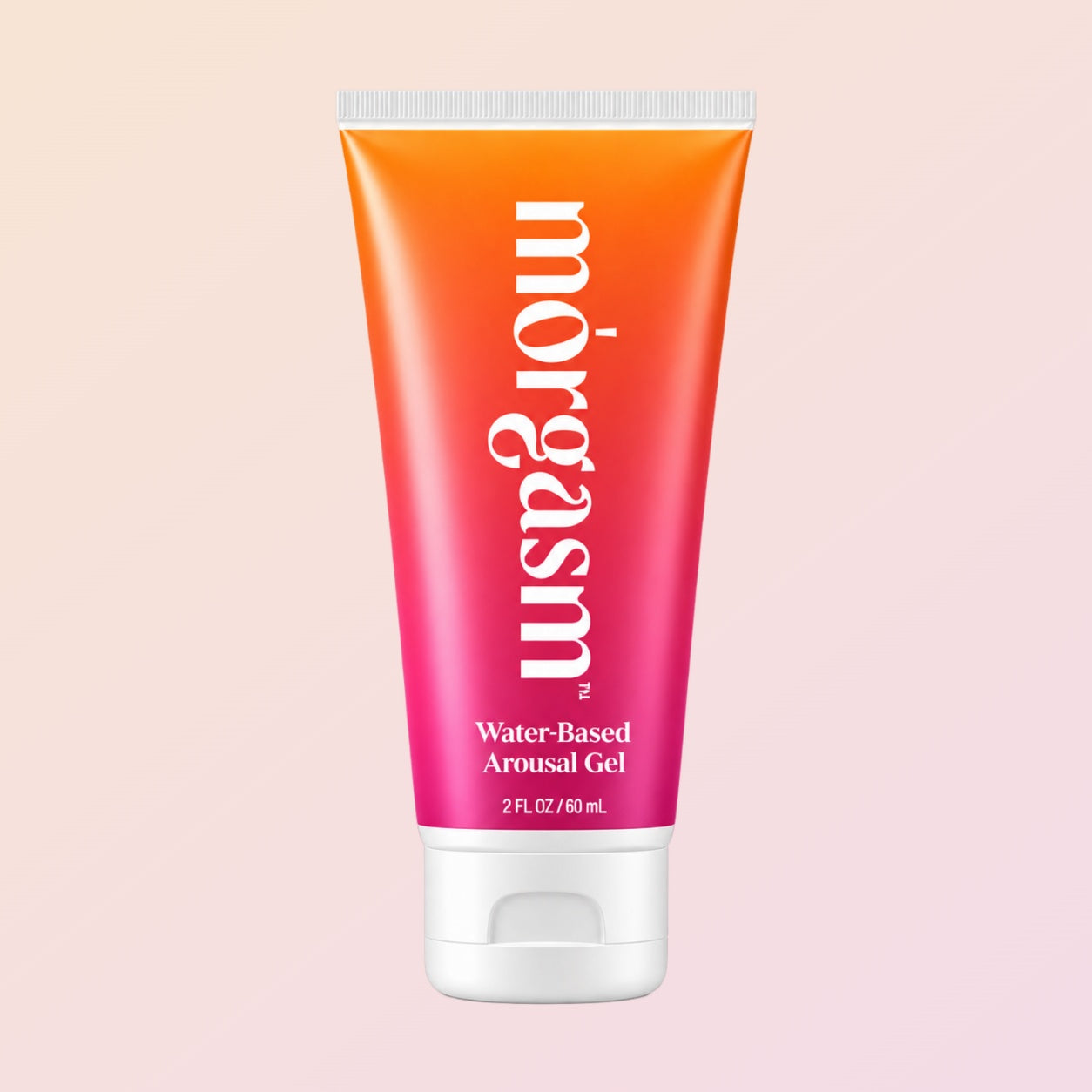
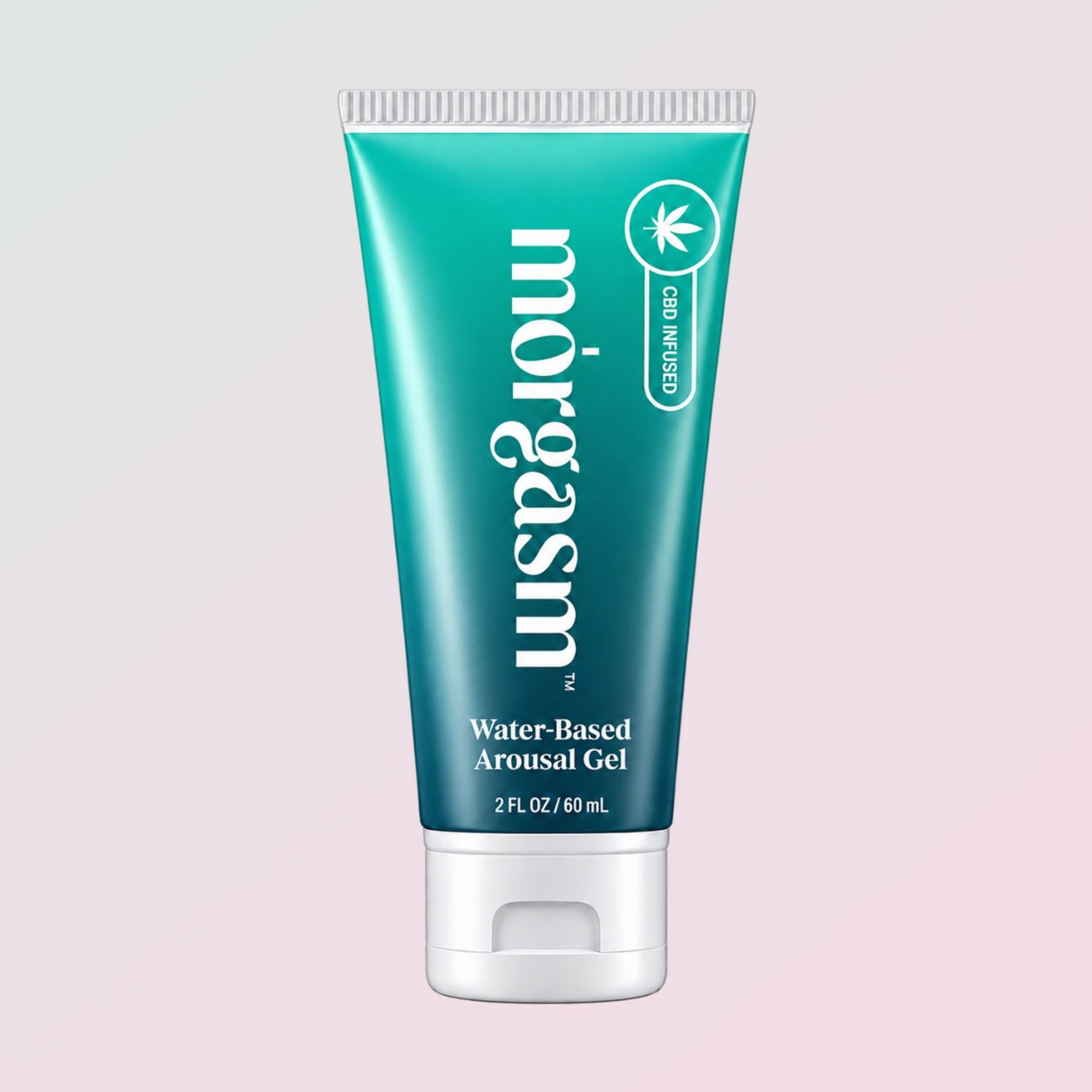
The Morgasm Original Arousal Gel and the Morgasm CBD-Infused Arousal Gel are best stored in a cool, dry place, with the flip-top cap sealed between uses. Keep both away from direct sunlight, bathroom steam, and heat sources. Check the tube base for the expiration date and follow the period-after-opening guidance. When texture, scent, or consistency changes, replace the tube. A fresh formula delivers everything the product was designed to provide. An old one does not.

Final Thoughts
Lube expiration is a practical matter that directly affects intimate skin safety. Knowing the date, storing the product correctly, and trusting your senses are all part of using intimate products responsibly. At Morgasm, Experience MORE includes being transparent about how our formulas are made and how long they stay at their best. Our Original and CBD-Infused Arousal Gels are built on natural preservatives and clearly labeled for your confidence. Replace when in doubt. Your body deserves a formula performing at its full potential.
Frequently Asked Questions About Lube Expiration Dates
Does lube actually expire?
Yes. Preservatives break down over time, reducing safety and effectiveness for use on intimate skin.
How long does water-based lube last?
Typically, one to three years, depending on storage conditions and how consistently the cap is sealed between uses.
What happens if you use expired lube?
Degraded preservatives increase microbial risk, irritation potential, and pH disruption on sensitive intimate skin.
How can you tell if lube has gone bad?
Changes in texture, smell, color, or consistency are reliable signs a formula has turned, regardless of the printed date.
Does CBD lube expire faster than regular lube?
CBD potency degrades with heat, light, and age, so improper storage accelerates loss of both safety and effectiveness.
Where should lube be stored to last longest?
In a cool, dark drawer away from bathroom steam, direct sunlight, and temperature fluctuation between uses.
Disclaimer: Statements about the effects of our products have not been evaluated by the Food and Drug Administration, and our products are not intended to diagnose, treat, cure, or prevent any disease.

